Customers · PRACTICAL FIELD NOTE
The customer who says 'I get it' may still not know what to do next
A candid, practical field note for small-business owners about the customer who says 'i get it' may still not know what to do next, with a clear next step.
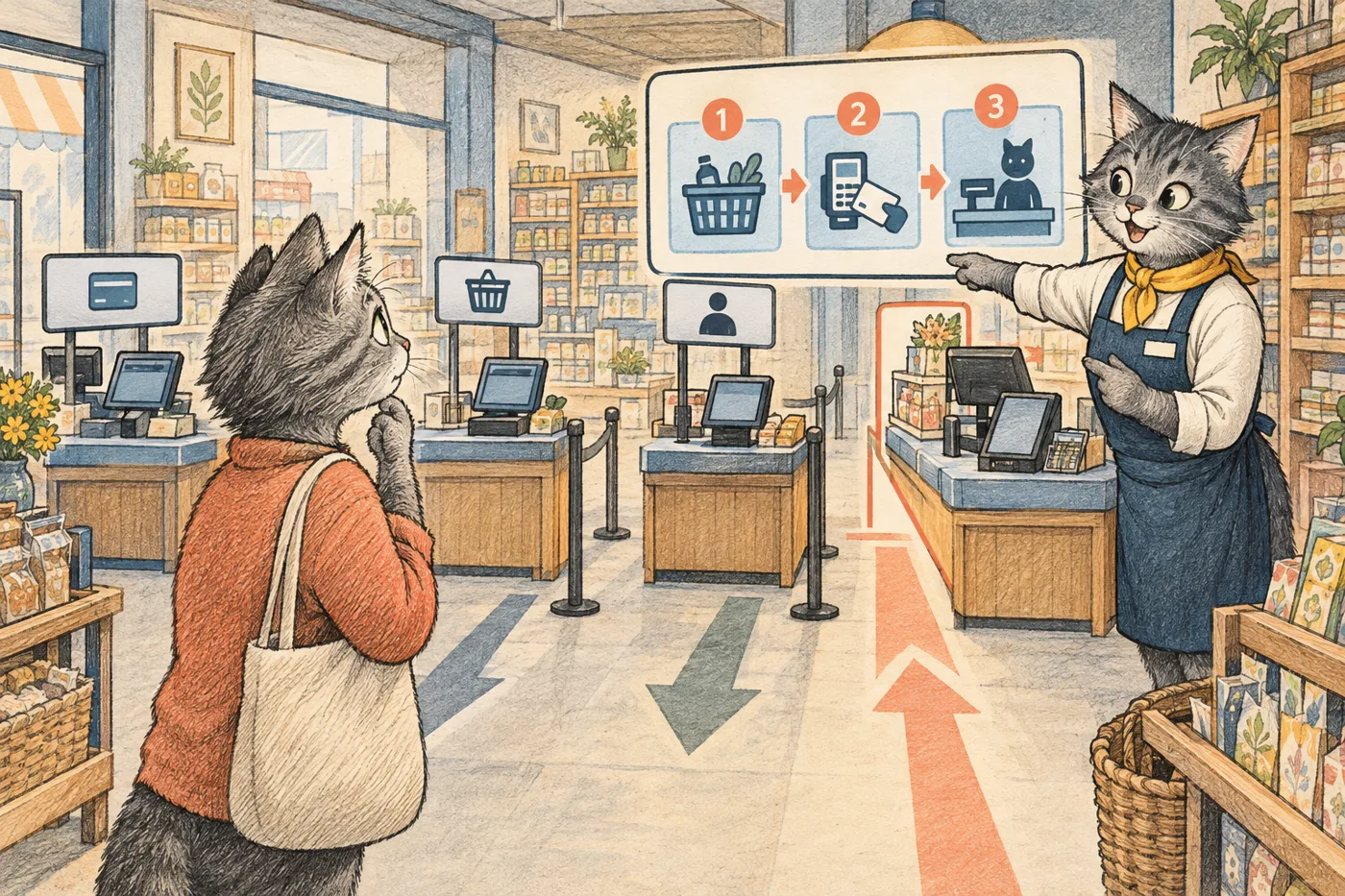
A customer nods through your explanation and says, “I get it.” Then the call ends, the form stays blank, or the quote sits unanswered. The conversation felt clear; the next step did not. For a small business, that gap can look like hesitation, disinterest, or a customer who needs more convincing. But sometimes the person simply does not know what to do, when to do it, or what will happen after they do. A polite yes is not always a useful handoff. You do not need a complicated survey to find out. This field note offers a simple way to check whether customers can describe their next step, plus practical ways to make that step easier to see. Try it in one real conversation, and you can improve the handoff without assuming the customer was the problem.
What to know
Consider a hypothetical florist whose customer says, “I get it,” but leaves a wedding-flower quote unanswered. The customer might understand the package and price yet be unsure whether approval means signing, paying a deposit, or choosing a date. That possibility is not evidence of the reason for silence; it is one mismatch worth checking.
Rather than asking only, “Does that make sense?”, the florist could ask, “What do you think happens next, and what do you need from me?” Treat the answer as a clue, not a diagnosis: it may expose an unclear instruction, or reveal that the customer has another concern. If the intended step is approval by Friday followed by deposit payment, state that plainly and invite questions. This is a low-stakes experiment, not a proven test of intent.
Put it into practice
Choose one customer moment that often stalls: a quote, booking call, onboarding email, or checkout. After explaining what you offer, pause and ask, “To check that I explained this clearly, what do you think happens next?” Listen without supplying the answer. Treat this as a small experiment, not a test of the customer. You are checking whether your explanation and their understanding of the process line up.
A useful answer might name an action and a time: approve the quote by Thursday, send a file before the appointment, or book a call. If the customer describes a different sequence, thank them and clarify without making them defend their answer. Asking them to describe the next step may give you a more concrete clue than “Does that make sense?”—but whether it does so better is something to test with your own customers, not assume.
State the action, deadline, and what happens afterward. For example: “Approve the quote by Thursday using the button in this email. I’ll confirm the booking when I receive it.” If payment or a decision is required, say so plainly. This wording is a practical hypothesis, not a guarantee that customers will act. Try it where people seem to pause, then note what questions or mismatches follow.
Inspect the handoff itself. Does the message present several competing buttons? Does “get started” leave the first action unspecified? Does the customer need a separate form without being told where to find it? You could remove an avoidable choice or place the relevant link beside the instruction, then see whether customers describe the process differently. More explanation is not always the right fix: first find out whether the uncertainty concerns the decision, timing, cost, or what happens after approval.
Consider a hypothetical customer who says they will “send everything over,” while your team expects a signed agreement first. They may understand the service but have a different sequence in mind. You could clarify: “First, sign the agreement. Once I confirm it, send the photographs through this form.” If their version seems reasonable, consider whether your wording or process invited the mismatch.
Record the point of confusion in the customer’s own words, rather than labeling them “not ready to buy.” If the same question comes up in later conversations, consider changing the relevant instruction. Change one element at a time where practical, but interpret the result cautiously: a different mix of customers, or another process change, could also affect what you observe.
A clear answer is not evidence of willingness to buy. Someone may understand the steps and still decide the timing, price, or offer is not right for them. Respect that choice. The purpose of this check is narrower: investigate whether the handoff is unclear before deciding that more persuasion is needed. If customers can describe the process but still do not proceed, look for other explanations rather than repeating the same instruction.